📘 FREEPORT MCMORAN INC (FCX) — Investment Overview
🧩 Business Model Overview
Freeport-McMoRan is a large-scale natural resources producer with a focus on copper (and significant by-product economics) and meaningful exposure to gold. The value chain is fundamentally upstream: securing and developing ore reserves, mining and processing ore into payable metals, and monetizing production through sales to industrial and refining customers.
The operating model is characterized by (1) long-lived mine portfolios, (2) heavy reliance on in-house logistics and processing infrastructure, and (3) cost management around energy, labor, consumables, and capital deployment required to sustain output. Because mining assets are both geographically fixed and capital intensive, capacity and output are anchored by existing resource positions and supporting infrastructure rather than flexible, customer-driven volume decisions.
💰 Revenue Streams & Monetisation Model
Revenue is primarily generated from the sale of payable copper and gold, with additional contributions from by-products depending on mine mix and ore characteristics. Monetisation is largely transactional—metal sales occur at market prices—so margins are driven less by customer contracts and more by the gap between realized metal prices and all-in production costs.
Primary margin drivers include:
- Ore quality and mine plan: grades, strip ratios, recovery rates, and by-product credits affect unit cash costs.
- Energy and consumables intensity: sustained performance depends on energy procurement and efficient processing.
- Processing and logistics efficiency: throughput at large plants and the reliability of transport/handling systems impact recoveries and unit costs.
- Sustaining capital discipline: maintaining production at mature assets requires ongoing investment; over- or under-spending can shift cost curves.
Given the commodity-linked nature of pricing, Freeport’s economic leverage typically comes from cost position and resilience of cash flows through the cycle rather than from recurring revenue characteristics.
🧠 Competitive Advantages & Market Positioning
Freeport’s competitive positioning is best framed as a cost-and-infrastructure moat rather than a switching-cost or network-effect moat.
Moat elements:
- Low-cost feedstock and resource quality: Large, established ore bodies and mine plans support favorable unit economics versus higher-cost competitors, particularly when grades and processing recoveries remain competitive.
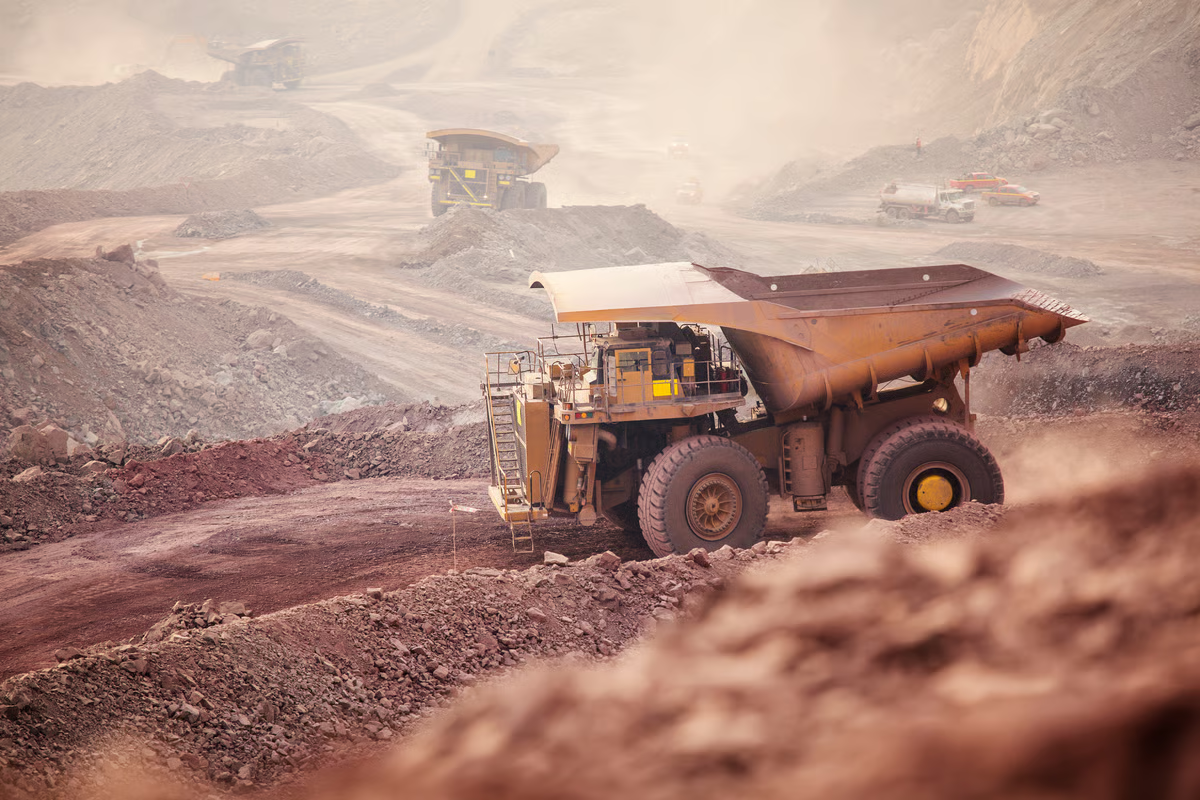
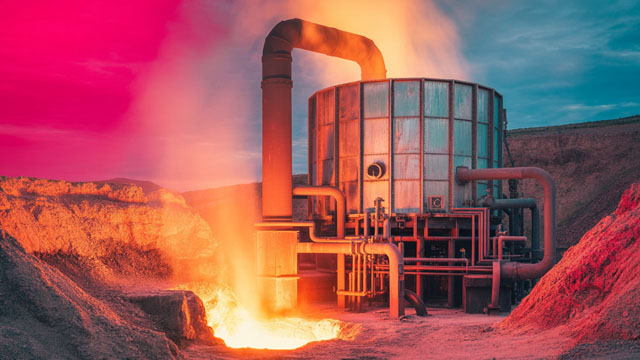
- Geographic and logistical infrastructure: Existing haulage, processing capacity, and export/transport links reduce marginal operational friction and lower effective delivered-cost compared with projects requiring full build-outs.
- Scale and operational learning curves: Operating at high throughput enables fixed-cost absorption and more efficient maintenance, procurement, and plant utilization.
- Capital allocation and development capability: Replacing or expanding production requires substantial capex and execution capacity; this raises practical barriers to entry for new entrants.
Competitive benchmarking: Copper/gold peers include BHP and Rio Tinto (diversified base-metals miners with large copper assets) and Teck Resources (notably focused on copper and related commodities, with a different asset mix and cost structure). In contrast to some peers with heavier emphasis on different commodity mixes, Freeport’s portfolio concentrates on large mining and processing operations with established logistical footprints, emphasizing the ability to produce at scale from long-life resources.
For gold-focused peers such as Newmont and Barrick Gold, the moat profile differs: those companies often compete more on gold-centric reserve depth and project economics, whereas Freeport’s investment case centers on copper-driven cash generation with gold contributing diversification and by-product value.
🚀 Multi-Year Growth Drivers
Over a 5–10 year horizon, the demand-supply balance for key commodities underpins the investment narrative. The most durable drivers are structural:
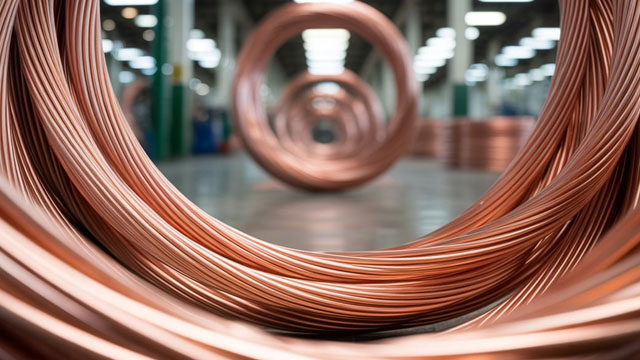
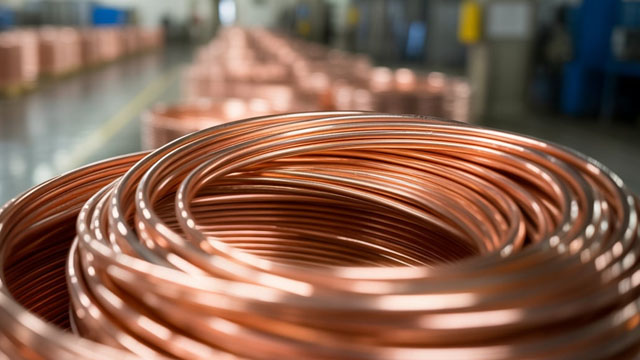
- Electrification and grid buildout: Copper intensity per unit of infrastructure supports long-run demand from power transmission, renewable integration, and electrified transport.
- Energy transition supply constraints: Copper supply growth faces hurdles from declining ore grades in many regions, permitting complexity, and the long lead times required to bring new capacity online.
- Portfolio durability: Long-life mines and sustaining capital programs can help protect output and keep cost curves competitive as the industry cycles through periods of tight supply.
- Gold as a portfolio hedge: Gold often benefits from periods of financial uncertainty and acts as a diversifier when copper demand swings.
In TAM terms, copper remains central to both industrial electrification and large-scale infrastructure expansion; Freeport’s opportunity is tied to maintaining a strong cost position while navigating project execution and regulatory timelines needed to preserve supply contribution.
⚠ Risk Factors to Monitor
- Commodity price cyclicality: Realized revenues track metal prices, causing operating margin volatility. The investment outcome depends on sustaining a favorable cost position across cycles.
- Geopolitical and regulatory exposure: Operations in jurisdictions with evolving tax, royalty, permitting, and labor frameworks can affect unit economics and development schedules.
- Operational and ESG risks: Tailings, water management, and community/regulatory compliance represent structural execution risks common to large-scale mining.
- Grade decline and resource depletion dynamics: Sustaining production requires continued capital investment and effective mine planning; negative changes in ore quality can raise costs.
- Input cost and logistics disruptions: Energy prices, shipping/transport reliability, and supply chain constraints can shift cash costs materially.
📊 Valuation & Market View
Mining equities in this space are typically valued on asset-backed cash flow capacity and cycle-adjusted profitability, commonly through metrics such as EV/EBITDA and EV/operating cash flow, alongside discounted cash flow frameworks that assume commodity price decks and long-term cost curves.
Key valuation drivers include:
- Cost curve positioning: Markets reward producers with lower all-in costs and resilient margins.
- Production durability and reserve life: Long-lived assets reduce perceived redevelopment risk and support confidence in future cash flows.
- Capex efficiency: Execution quality in sustaining and expansion capital influences the shape of free cash flow across the cycle.
- Country/regulatory risk premium: Higher uncertainty tends to compress multiples until risk is clarified or mitigated.
Given the commodity-linked revenue model, valuation sensitivity typically centers on assumptions about long-run copper and gold prices and the durability of Freeport’s cost advantages through sustaining capital and operational discipline.
🔍 Investment Takeaway
Freeport-McMoRan’s long-term investment appeal rests on a cost-and-infrastructure moat anchored in large-scale mining operations and logistical footprints that support unit economics. The core thesis is that structural demand for copper in electrification can persist over a multi-year horizon, while Freeport’s ability to sustain competitive production costs—and manage high capital-intensity execution—can translate industry supply tightness into attractive cash flow outcomes across the commodity cycle.
⚠ AI-generated — informational only. Validate using filings before investing.










 Growth Catalysts